
Planting a tree is an investment that can benefit your property for decades. However, simply placing a tree in the ground is not enough to guarantee healthy growth. Proper tree planting techniques, including choosing the right location, preparing the soil, and providing early care, are essential for developing strong roots and a stable tree structure.
Choosing the Right Tree Location
The location of a new tree plays a major role in its future health. Planting a tree too close to buildings, sidewalks, or utility lines can create problems as it grows.
Before planting, professionals consider:
- Available space
- Sunlight exposure
- Soil conditions
- Drainage
- Root growth requirements
- Future tree size
The right location allows the tree to develop naturally without creating future hazards.
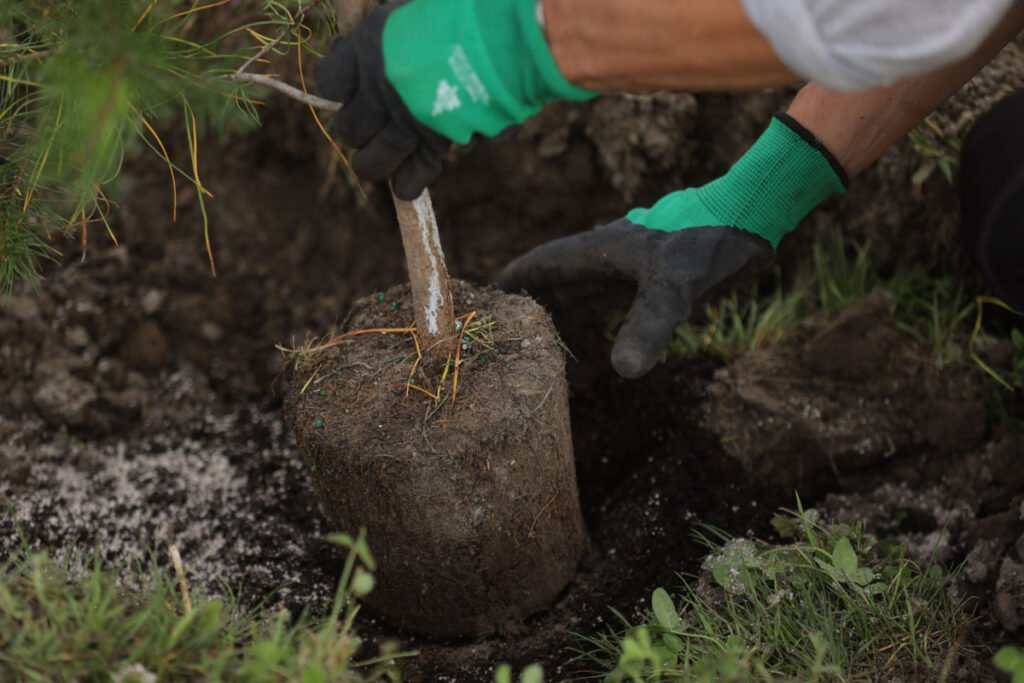
Select the Right Tree Species
Different tree species have different needs. Some trees thrive in full sunlight, while others perform better in partially shaded areas. Choosing a species that matches the local environment improves survival and reduces maintenance problems.
Professional guidance helps property owners select trees that are suitable for their landscape.
Proper Planting Depth Matters
One of the most common tree planting mistakes is placing the tree too deep in the soil. Deep planting can restrict oxygen flow to the roots and cause long-term health problems.
Proper planting ensures:
- Healthy root development
- Better nutrient absorption
- Stronger stability
- Reduced risk of root problems
Correct installation creates a strong foundation for future growth.
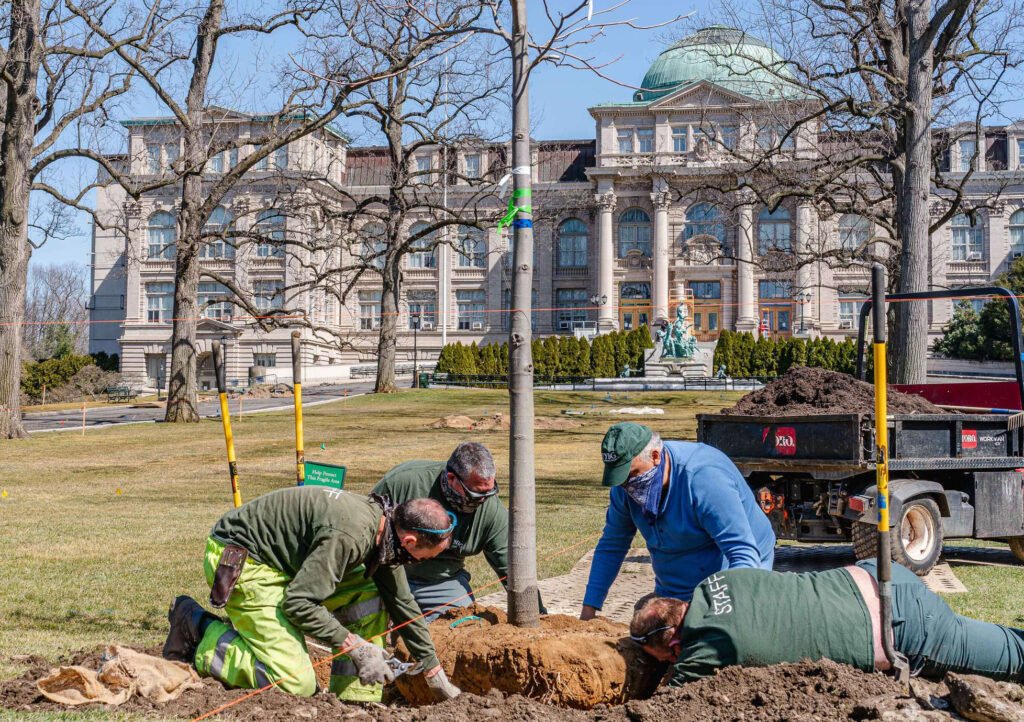
Improve Soil Conditions Before Planting
Healthy soil is essential for young trees. Poor soil quality, compacted ground, or inadequate drainage can prevent roots from developing properly.
Soil preparation may include:
- Improving drainage
- Adding organic material
- Reducing compaction
- Creating better growing conditions
A healthy root system leads to a stronger tree.
Provide Proper Watering After Planting
Newly planted trees require consistent moisture while their roots become established. Too little water can cause stress, while excessive watering can damage roots.
A proper watering schedule helps young trees adapt and encourages healthy growth.
Protect Young Trees From Damage
Young trees are vulnerable during their early years. Protection from lawn equipment, animals, and environmental stress helps them develop properly.
Helpful practices include:
- Applying mulch correctly
- Installing protective barriers when needed
- Monitoring growth
- Removing damaged branches early
Early care prevents future problems.
Benefits of Professional Tree Planting
Professional tree planting provides long-term advantages:
- Higher tree survival rates
- Stronger root systems
- Improved landscape appearance
- Reduced future maintenance
- Better property value
- Healthier mature trees
A properly planted tree becomes a valuable part of your property.
Why Professional Tree Planting Matters
Tree planting requires knowledge of local growing conditions, species selection, and proper installation methods. Professional tree care specialists understand how to establish trees correctly and provide guidance for long-term maintenance.
Expert planting helps prevent common mistakes that can shorten a tree’s lifespan.
Conclusion
Proper tree planting is the foundation of a healthy and long-lasting landscape. By selecting the right location, preparing the soil, planting correctly, and providing early maintenance, property owners can enjoy stronger trees that provide beauty, shade, and environmental benefits for generations. Investing in professional tree planting today creates lasting value for your property tomorrow.