
Living near full-grown trees can make owning land truly special. Not only do they shade your yard when summer gets sticky, but they also support birds and small animals while making the place look better from the street. Still, those tall beauties need real attention, not just an occasional check in now and then. Just because a tree seems fine at first glance does not mean it is safe inside it might be hiding weak spots ready to give way without warning. Learning how to spot possible dangers in your trees is not about fear; it is about staying ahead of trouble before it shows up. When you learn to notice the small signs from your trees, you fix problems early before bad weather turns a healthy oak or maple into a hazard. Not everyone gets it: trees are not static; they shift with time and season so one that was fine last year could be risky now. This constant evolution means that being a proactive property owner is the only way to ensure long-term safety and preserve the natural beauty of your landscape for years.
The Foundation: Root System Stability
A tree check starts at the bottom since roots hold everything together. A big warning sign of danger is raised or lumpy ground near the trunk. That usually means the tree has started tilting, pulling some roots loose from the soil on one side. When you see this, it is clear the root grip has given way, so the tree is not firmly held anymore. This instability often worsens during periods of heavy rain when the ground becomes soft and loses its ability to anchor the weight of the massive trunk. Check the spot where the trunk spreads out into the roots. This part is called the root flare. When covered by excess dirt or mulch, moisture gets trapped, setting up decay over time. Seeing mushrooms or shelf-like growths there? That is a sign fungi are already eating away at the inner wood. These little caps mean rot is happening now, weakening how strong the tree stands against storms or thick snow buildup. Think of bad roots like shaky footings under an old building; they do not hold firm anymore. Once that stability fades any extra push might bring the whole thing down.
The Pillars: Trunk Integrity and Surface Clues
Look at the base first then shift attention upward toward the central column. That core part needs to stay strong enough to carry all the limbs overhead. Deep splits running down the shaft mean big problems inside. They go beyond outer skin damage, usually signs of pressure where the plant cannot handle its load. Look for spots where bark is gone or damaged; this often shows the layer under it is dead. That damage turns into a soft point on the trunk, increasing the chances it will break right there. Also, keep an eye out for holes or gaps in the wood. Big ones suggest the middle part has rotted away, so the tree is shaky inside, no matter how healthy it seems. If over thirty percent of the trunk is empty inside, it weakens the whole structure, so storms can snap the tree way easier. Water gathers in those gaps, feeding decay that spreads inward, turning the tree into a hidden hazard.
The Architecture: Branch Unions and Canopy Balance
The shape of a tree affects how it deals with pressure. A major weak spot shows up as trapped bark in a narrow V joint. That happens if two primary trunks rise too near and the bark gets pinched inside, blocking a solid wood connection. As a result, a hidden split forms, stretching far down into the trunk. When strong winds hit, these joints usually give way, splitting the trunk right down the center. Check how evenly the branches spread out, too. If a tree leans to one side, chasing the sun, or has its top hacked off by someone unskilled, the weight will not be balanced. That kind of setup catches the wind like a sail, making it unstable. A balanced tree lets wind slip between its limb,s yet a lopsided or crowded one blocks airflow, acting like a sail that strains the base and roots. Routine pruning reduces this strain while helping air pass smoothly through the top.
The Silent Threat: Deadwood and Professional Care
Maybe the clearest danger? That is deadwood. Broken limbs snap easily; they do not bend when the winds pick up. People call them widowmakers since they crash down outta nowhere, even under clear skies. Check for bare sticks or spots where bark is totally gone. Get those cut fast before they land on homes or folks passing by. A homeowner might notice some warning signals, yet pros dig way deeper by studying how the plant actually works. Tools such as sonic scans let trained arborists peek inside trunks with no damage done. Instead of guessing, they measure live tissue precisely and then advise if saving the tree makes sense. Picking a crew familiar with your area matters since bugs and illnesses differ by location, quietly damaging trees over time. This specialized knowledge allows for a much more accurate risk assessment than a simple visual check could ever provide.
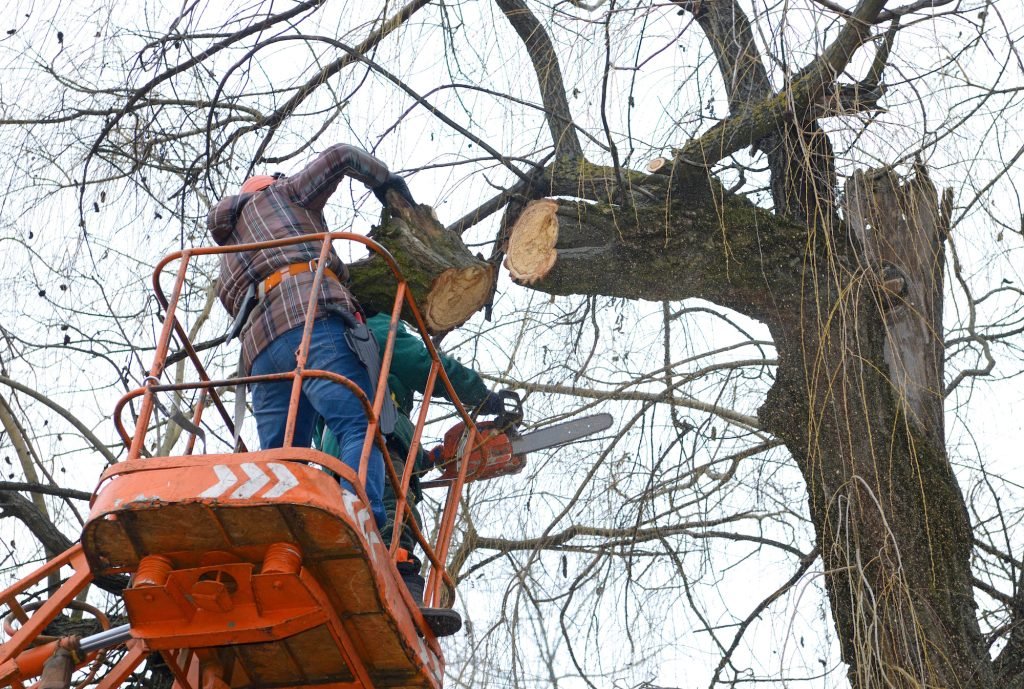
Secure Your Landscape with Manhattan Tree Care
Keeping your place safe starts way before bad weather hits. Over at Manhattan Tree Services, we figure everyone should feel secure outside their house. Instead of waiting, our crew checks for trouble spots early, then handles what is needed so small issues do not blow up later. City trees come with special hassles. We have seen it all done this work for years and use that know-how on each job. If worries pop up about a crooked trunk or thick limbs hanging above your house, skip waiting for storm warnings. Instead, trust our expert Tree Removal team, they tackle risky jobs without cutting corners. On top of that, we perform Tree Pruning with care so they grow evenly and survive tough weather. When leftover stumps bother you, Stump Grinding wipes them away quietly. Reach out to Manhattan Tree Care now to get a full checkup to protect both the look and safety around your home. We are dedicated to ensuring that every client receives personalized attention and high-quality service that stands the test of time.