
Should you call your insurance company or a tree removal crew first when a tree comes down on your property? It’s the question asked by every Mt. Vernon homeowner in the middle of a stressful moment, and if you get the order wrong, you could be losing time, money and even your life. Downed trees rarely fall untangled, and can involve downed power lines, roof damage or a tree trunk under tension. It is more important than people realize, and knowing what to do and the order in which to do it will help to keep your family safe and make a stronger insurance case down the road. The step-by-step answer that really helps.
Step 1: Check for Injuries and Ensure Everyone’s Safety
First, make sure everyone on the property is safe and unharmed. If the tree has suffered damage due to a storm, keep in mind that downed power cables can be wrapped in the branches of the tree, even if not obvious. Assume that any trees down near electricity lines are energized and do not let children or pets come near the area until a professional checks the lines.
Call 911 if anyone is injured or is trapped. This is done first of all steps in this list. Some injuries may be minor, such as cuts from splintered wood or strains from trying to push debris around, but in the heat of the moment the seriousness of an injury may not be recognized.
Step 2: Move to a Safe Distance and Assess From Afar
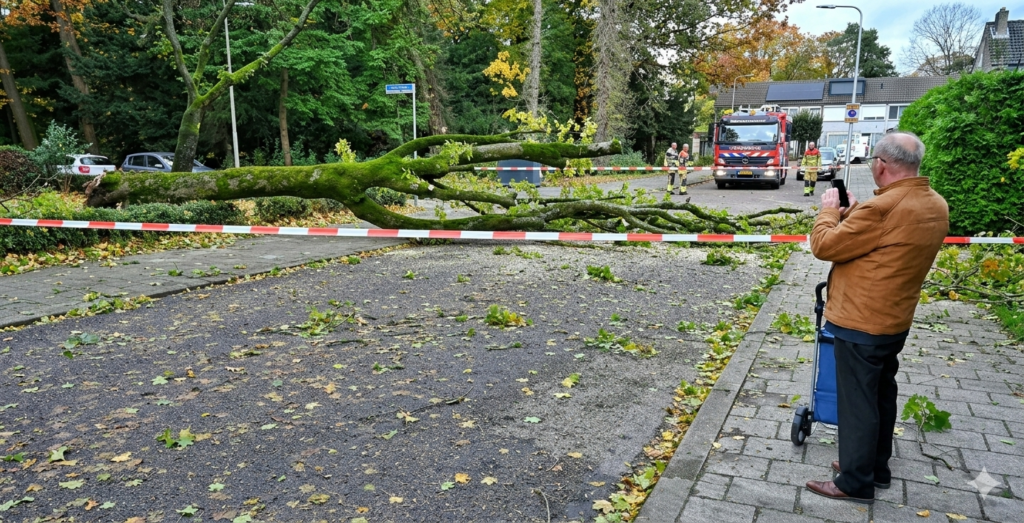
If all people are seen as safe, don’t rush up to the tree to see what has happened. After a fall, a tree is likely to be structurally unstable, particularly if it has partially collapsed or trails up against your house, as the weight of the tree may move in an erratic manner. Use the phone to zoom in on the tree and take pictures, do not walk up to the tree.
Take note of how the tree is lying. A tree that is completely down on the ground is usually more stable than a tree that is wedged between two trees, a fence or against the side of your house, as the tension can be released if the tree is nudged.
Step 3: Check for Gas Leaks and Structural Damage
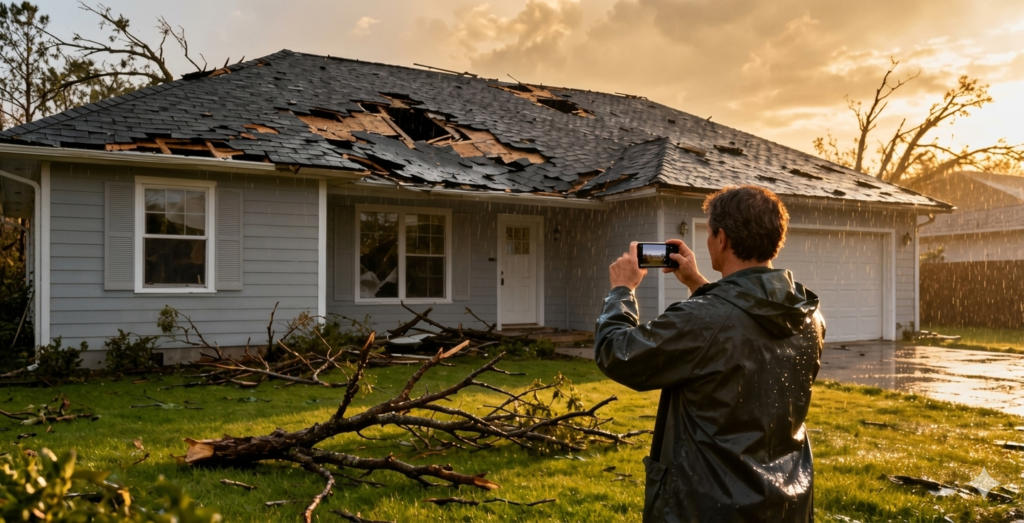
If the tree struck your home, check for the smell of gas, which could indicate a ruptured line. If you detect a gas odor, evacuate the home and dial the emergency number of your gas company from outside. There are also several common signs that the roof may have been breached: cracked foundation walls or damaged structural beams indicate that the inside of your house may not be safe to live in until it is inspected.
Assuming the tree has penetrated the roof or exterior wall, do not power up utilities such as electricity or water to rooms where the impact may have occurred until an inspector has determined whether or not the systems are intact and have not been damaged. Another frequently occurring issue is water intrusion after a roof strike, which may be covered with a tarp (care must be taken to ensure that it is safe to access a roof before doing so) to prevent additional damage until repairs can be completed.
Step 4: Contact Utility Companies if Lines Are Involved
If the fallen tree has damaged or knocked over power lines or is leaning against power lines, please call Con Edison right away to report the danger. Even if debris is removed and branches positioned away from the lines, never move the tree away from the lines, even with a tool, as downed lines may be energized and dangerous. This includes lines that look like they’re a cable or phone line, as it is often hard to tell the difference between electrical and other lines from a distance.
Step 5: Document Everything Before Cleanup Begins
Comprehensive documents from start to finish streamline insurance claims, enabling them to progress more quickly and efficiently. Take a few photos of the tree from different angles, of the damage to your property and of any surrounding dangers, such as blocked driveways or damaged fencing. Record the date, time, and weather conditions of the fall, as these details can be important when a claim is being investigated, especially if weather conditions such as a storm were a factor.
It is also advisable to note any existing indications of past decay, cracking, or disease in the tree before removal begins, as this may be important for liability reasons if the tree was on adjacent property or in a city right-of-way.
Step 6: Contact Your Homeowners Insurance Provider
When the tree falls from a covered peril (wind, storm, etc.) most homeowners insurance policies will cover the tree removal, especially if the tree hit a building. Make sure to report the incident as soon as possible, as many insurance companies have a timeframe for filing claims. Check if debris removal is covered under your policy in addition to structural repair (sometimes there are different coverage limits).
If the tree fell from someone else’s land, things can become a bit more complicated; it’s important also to check with your insurer early in the process if you’ll have to file a claim with the other person’s policy.
Step 7: Call a Professional Tree Removal Service
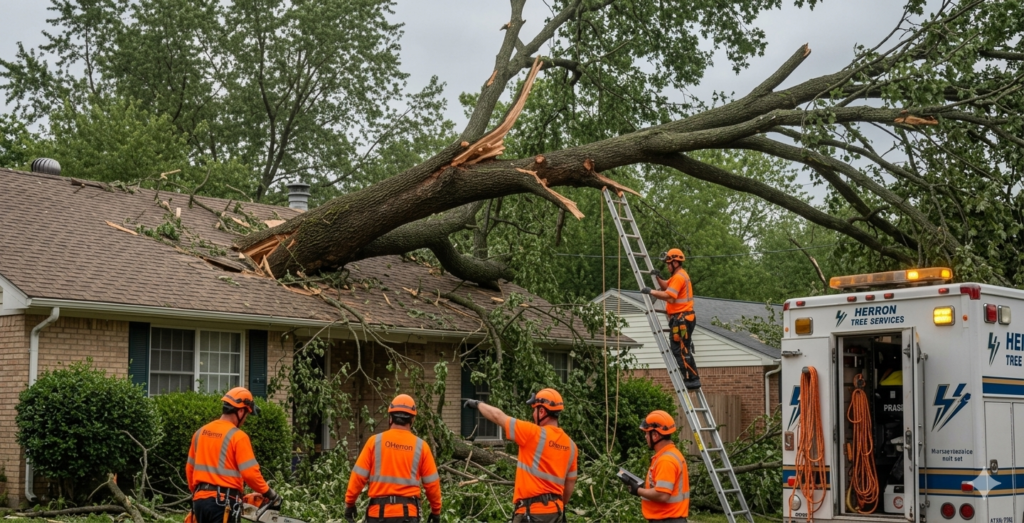
Once safety concerns are addressed and your insurance provider has been notified, it’s time to bring in a professional crew to handle the actual removal. Heavier and more unpredictable than they look, fallen trees are particularly dangerous when they are under tension against a structure, fence or other tree. Trying to remove it yourself at this time can be one of the main sources of secondary injuries post storm as a tree under tension may snap back violently if cut improperly.
A professional crew will also understand how to safely perform a partial removal or when only part of the tree must be removed, with the remains of the tree being stabilized for a follow-on visit. This is often the case when the tree is not fully detached or settling in a manner that needs to be specially rigged so the tree can be brought down safely without causing additional damage to the property.
Step 8: Address the Stump and Remaining Root System
Once the tree has fallen, many Mt. Vernon properties are left with a stump and a root system that has been disturbed, and requires additional attention. Residual stumps may harbor pests, hinder re-vegetation, or landscaping (where applicable) and in some instances may signal that other nearby trees are also experiencing a root system that is compromised and should be evaluated. A large felled stump may also create a large hole or depression in the lawn area that may need to be filled and graded to avoid water stagnation or future settling problems.
What Not to Do After a Tree Falls
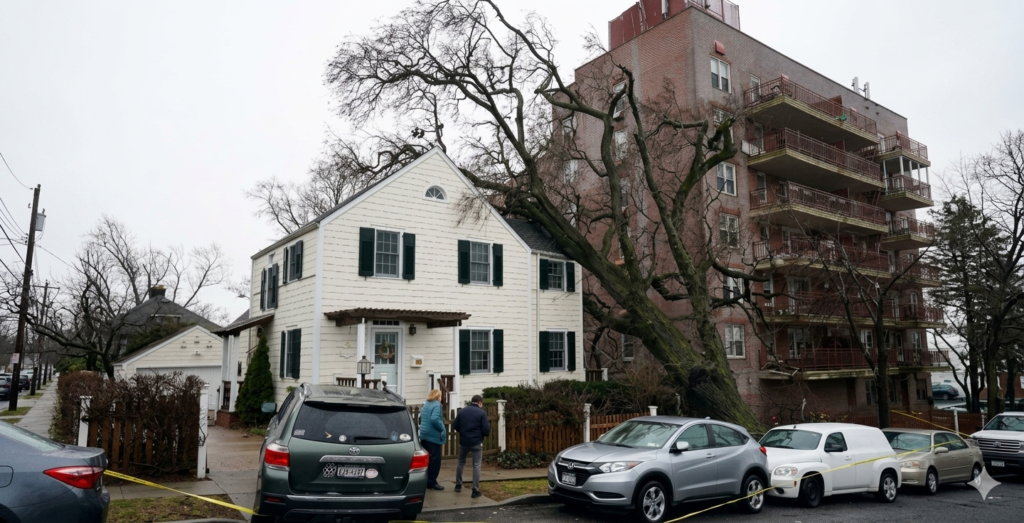
Do not climb around or on the downed tree to check for damage; even if the tree appears settled, its weight distribution may be unstable. Avoid trying to prune by chainsaw unless a professional pruner is present, especially if there is any visible tension or if the branch is bent out of place. Never park cars or let anyone walk under any remaining canopy or limbs that are still on a partially down tree as secondary limb failures will occur in the hours/days following the initial failure. A tree that did not hit your home may also not require any additional action, but if the root plate has emerged from the ground, a down tree can still damage septic systems or underground utility lines.
Why Response Time Matters in Mt. Vernon
The combination of older trees and residential lots in Mt. Vernon creates a situation where a tree fall will not always impact just the property on which it fell, but may also fall on a common area or shared driveway, or across a power line that supplies several homes. A fast and professional response isn’t only about your own property, but can also impact your neighbors and the surrounding street.
If the tree has fallen on your Mt. Vernon home, hiring a company that can respond quickly and address an emergency tree removal, as well as any subsequent pruning of trees in the vicinity that have the same root or storm-related issue, saves time and prevents additional occurrences. Mt Vernon Tree Pruning Removal Crop is an emergency fallen tree removal company that will assist Mt. Vernon homeowners with the initial steps and the removal process, as well.